
Speaking of the Green Energy Transition not working, Bloomberg Green in a rare moment of lucidity recently explained “Why Barclays Is Warning of Stranded Renewable Energy Assets”. Imagine that. We have long been warned, including by international green man of mystery Mark Carney before he became Canada’s Prime Minister, that fossil fuel assets would be stranded by the GET. Sometimes it even sounded like a threat. Now it’s renewables facing a reckoning with reality. Although in Canada, despite chatter about us being an “energy superpower” fossil fuel assets are also looking forlorn. For instance, Canadian Natural Resources Ltd. just put an $8.5-billion expansion of an oil sands mine on hold citing “lack of finalization of government regulatory policies around carbon pricing and methane, which creates uncertainty and economic burden for our long-term growth.” But at least there’s, uh, more talk. Prime Minister Carney just signed another Memorandum with the Alberta provincial government to make their earlier Memorandum more memorable or something. So fossil energy is stranded because of bad policy while renewables are stranded because they turned out to be expensive and unreliable.
According to the Bloomberg Green item quoted above:
“In an age dominated by war, inflation and AI, investors may be underestimating the risks now associated with renewable energy assets. That’s according to a group of bankers at Barclays, who just published a paper laying out their views on the future of the clean energy transition. ‘The classic stranded-asset story focused on fossil fuels, but what we are now seeing is stranded-like outcomes also emerging for renewables,’ Daniel Hanna, group head of sustainable and transition finance and a contributing author to the paper, said in an interview. He says risks are now arising for renewables where ‘systems integration fails.’ And if clean energy can’t connect to the grid, it starts to risk obsolescence.”
Yeah. “System integration fails” is the kind of verbiage used by what Conrad Black recently dubbed the Davoisie to describe a situation where you bet your economy on alternative energy generating a bunch of power it can’t reliably do to feed into a grid you can’t construct. And we could wish outfits like Barclay’s had been clearer, or at least bolder, a couple of years back.
We could also wish people were clearer today on the key point that a surge in investment in renewables does not mean they’re working well or are about to start. It could, of course, if it were private sector money on a level playing field. But if it’s driven by governments, directly or via subsidies, what it means is that politicians are continuing to gamble other people’s money on stuff that sounds good to enthusiasts and even cranks, a pattern with which humanity has much experience, none of it good.
As the BG article observes:
“Despite record investments in renewable energy, Barclays notes that global fossil-fuel consumption has never been higher.”
So governments are building solar panels, and companies are burning oil and gas. Guess how that one ends? Also, there’s a classic bit of vapid-hype-meets-hard-reality in the further statement that:
“with an escalating military conflict in the Middle East, the price of oil and gas is once again soaring. The development highlights that having secure and affordable access to energy continues to be a bigger priority globally than reducing emissions.”
No duh. In fact it was always a massively higher priority except, again, to the projectors in power like Keir Starmer and Ed Miliband, Justin Trudeau, or Angela Merkel of dubious loyalty to the Western tradition. (“Islam is part of Germany” being the kind of thing this alumna of Karl Marx University went around saying while throwing open the borders, along with being soft on China, abolishing conscription, helping block Ukraine from joining NATO and also being a big fan of deficit-spending her way out of economic trouble including the self-inflicted kind). The Green Energy Transition was popular, at least when voters only had to tell pollsters they were for it, partly because it was sold as making energy more secure and affordable; mighty few people ever said they wanted to reduce emissions even if it put the lights out, and the great and good directed a great deal of evidently ill-informed vitriol at anyone who said it might.
Meanwhile Canada’s lavishly-subsidized state broadcaster reported of the CNRL decision that:
“Political and economic leaders in northern Alberta say they are frustrated with news that Canadian Natural Resources Ltd. has delayed a planned mine expansion north of Fort McMurray.”
Yeah? How do you think the company feels? And don’t go by the president’s public statement that:
“We’re positive that the governments are working very diligently together. We’re going to come up with a positive outcome. We’re just being very prudent from our perspective, and ensuring that the outcomes from that are reviewed internally here to ensure that we can tell our investors that growth in oilsands is going to be economically competitive.”
Because contrary to what you may have been told at the University of Paranoia about how corporations pull the strings and government puppets dance, it’s actually the state that has extraordinary arbitrary power to crush enterprise with a regulatory gesture. And companies have to grovel.
After quoting a politician burbling quasi-optimistically, the CBC did add that:
“Other economic leaders in Fort McMurray are hopeful the delay is temporary, but say they feel the news is part of a long pattern of delayed and cancelled oilsands projects in the region.”
Indeed. And when you also hear that the government has given a below-market loan to a wind farm with tight connections to the incumbent federal Liberal party, do you feel that renewables gaining on conventional fuel as a share of investments is proof that they are winning the economic battle, or that Canada is losing it?




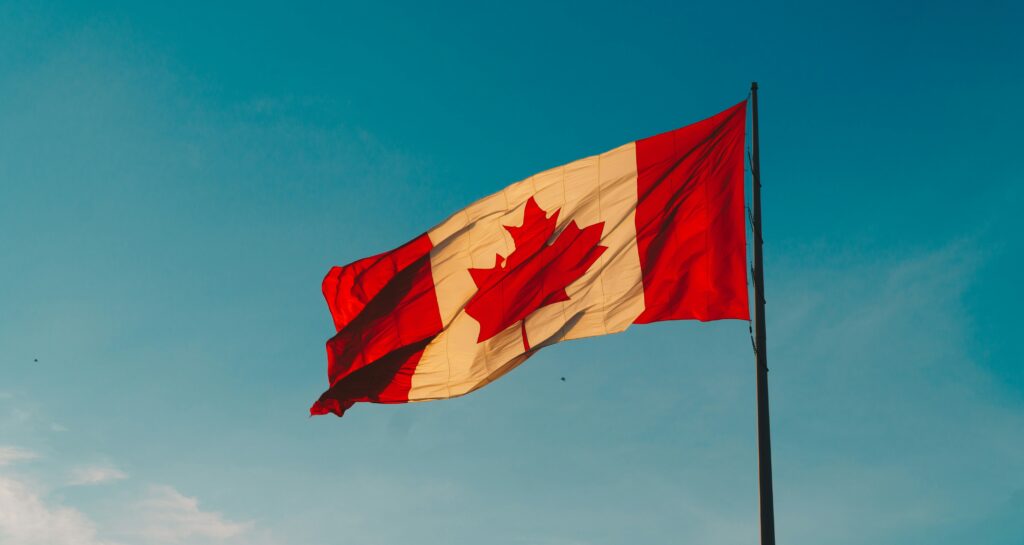
The LPC/CCP regime has never met a green energy boondoggle that didn't warrant looting the taxpayers to fund (I mean "invest in" per Carney-speak). God forbid that those with an understanding of physics and market economics make their own investment decisions.
Now, if only we could get the economists and investors to see a picture which contains win-win elements. Let me spin the tale.
Coal and oil are really valuable, maybe too valuable to burn up with impunity. What about using the coal and oil and gas to make nuclear power plants to use and solar panels and wind powered generators for all the places on earth that could never safely hold multiple nuclear power plants and expand the nuclear power generation of energy is geologically and politically stable states to export to those not like them? Another business would be to gather the expired panels and windmills and use nuclear power to recycle some of the material and utterly destroy the residue into its harmless component elements and compounds.
"... nuclear power generation of energy is geologically and politically stable states ..."
correction of typo